Reactions Across Social Media
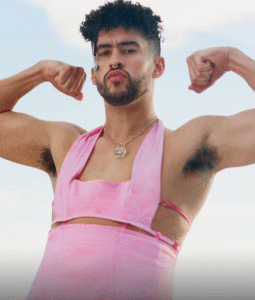
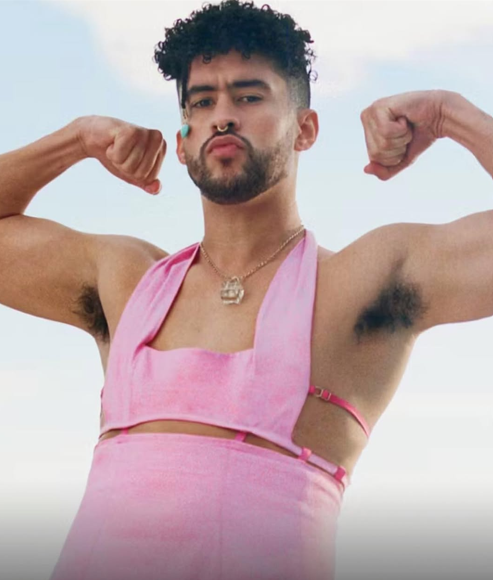
Almost immediately after the news broke, social media platforms were flooded with reactions, ranging from excitement and intrigue to confusion and concern. Fans dissected every move, every deleted post, and every absence from his feeds. One observer wrote, “This feels intentional. Bad Bunny never does anything randomly,” while another commented, “After the Super Bowl, everyone’s watching him. This is a power move.” Threads on Twitter and Instagram exploded with theories, memes, and speculation, with users trying to predict what this strategic pause might signal.
Entertainment analysts have echoed these sentiments, noting that the move is far from accidental. In recent years, high-profile artists have increasingly used digital silence as a form of messaging. Deleting posts or wiping accounts can reignite public curiosity, spark renewed media coverage, and generate intense social media engagement. It’s a way to control narrative without issuing formal statements. Music industry observers emphasize that this tactic can reframe an artist’s brand, focus attention on specific projects, and shape fan perception in subtle but powerful ways.
The Strategy Behind the Silence
In today’s digital era, an artist’s online presence is often as influential as the music itself. Every post, like, or share contributes to a broader narrative, and removing content is no longer seen as erasure—it’s a deliberate signal. Analysts point out that Bad Bunny’s digital reset could indicate several possibilities: an upcoming album, a new tour announcement, a rebranding effort, or even a thematic shift in his artistic direction. The ambiguity itself is part of the strategy, keeping fans guessing and the media engaged.
Beyond music, this reflects a broader trend in celebrity culture: control over one’s own story. With traditional media struggling to keep pace with the immediacy of online platforms, moments like this illustrate that cultural influence now resides with individuals who can command attention instantly. Fans, journalists, and marketers alike are forced to react in real time, often amplifying the very narrative the artist intends to shape.
Why This Matters
Bad Bunny’s actions highlight how power has shifted in the entertainment world. Where once press releases, interviews, and magazine covers dominated public perception, now a single digital move can dictate the conversation. It underscores a fundamental reality: social media is not just a promotional tool—it’s a platform for narrative, influence, and cultural authority. For audiences, it is a reminder that silence can speak louder than words, and strategy can outweigh spectacle.
Moreover, this move illustrates how modern artists navigate an environment where attention is finite and competition for visibility is fierce. By controlling the timing and framing of information, Bad Bunny—and artists like him—demonstrates mastery over both perception and anticipation. It’s an approach that keeps millions of followers engaged, keeps the media guessing, and ensures that whatever project or message comes next receives maximum attention.
The Broader Cultural Implications
This incident is more than just a celebrity news story; it is emblematic of a new era in entertainment. Digital platforms allow cultural figures to influence public discourse with unprecedented speed and precision. Each decision—whether to post, delete, or remain silent—is now a tool for engagement, shaping the way millions perceive identity, creativity, and authority.
For fans, this creates a heightened sense of immediacy and connection. For the industry, it represents both challenge and opportunity: the challenge of predicting the next move in a constantly shifting digital landscape, and the opportunity to learn from artists who understand the subtle art of commanding attention without saying a word.
Conclusion: Power, Silence, and Narrative Control
Bad Bunny’s digital silence serves as a case study in modern cultural influence. It demonstrates how the biggest stars today can shape conversations, redirect attention, and generate anticipation with a single strategic action. Whether this move signals new music, a rebrand, or simply a deliberate pause, it reflects a profound truth about contemporary celebrity: control of narrative is as powerful as creative output, and in the age of social media, influence can be wielded with subtlety, precision, and global reach.
In short, this is not just about deleted posts or a quiet social media account—it is about the shifting dynamics of attention, authority, and cultural power in the 21st century.