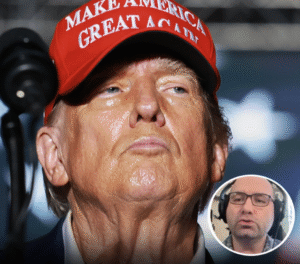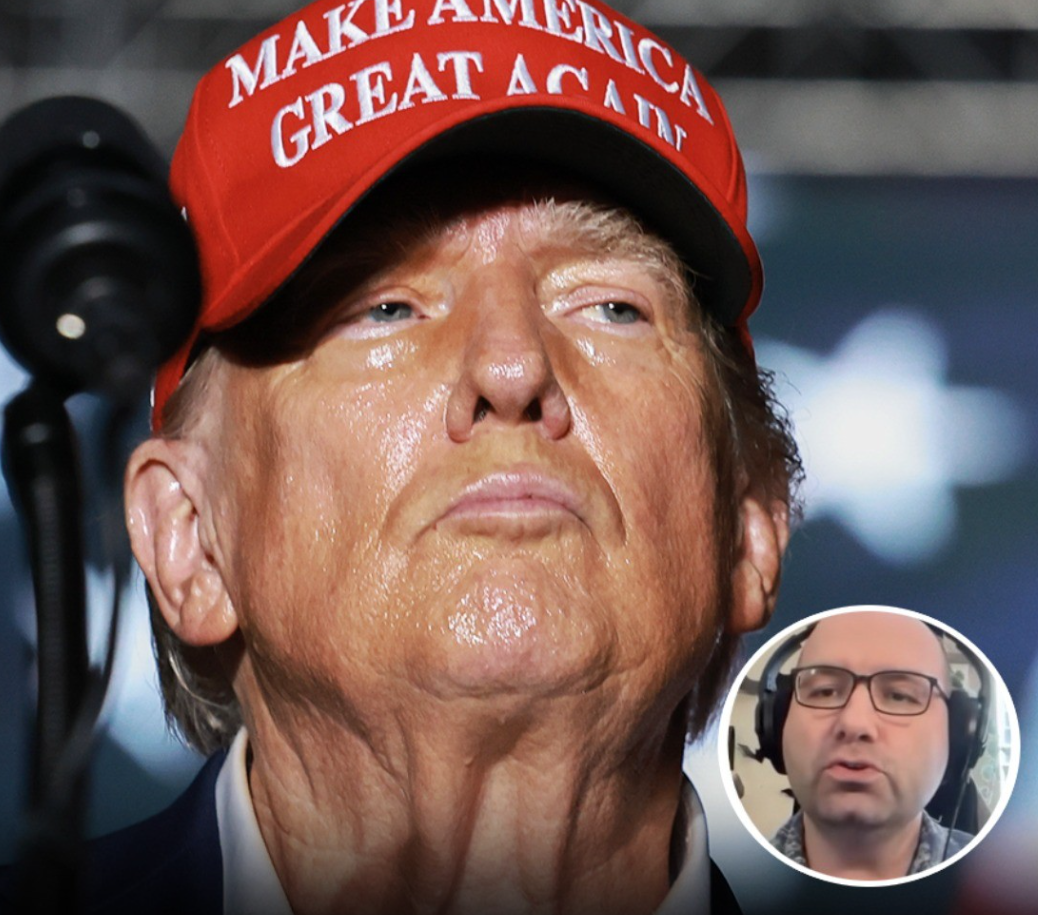
Public debate over Donald Trump’s health has resurfaced, with some observers questioning his longevity while others point to his repeated claims that he feels stronger than ever. Now, comments from a licensed physical therapist with over a decade of clinical experience have added new fuel to the discussion—drawing significant public attention.
Questions about Trump’s health are not new. Throughout his political career, he has consistently projected stamina and resilience, often dismissing suggestions that age could impact his performance. Yet as he approaches his 80th birthday on June 14, scrutiny has intensified. Trump is the oldest individual ever sworn into the presidency, and that milestone alone has kept public curiosity about his condition alive.
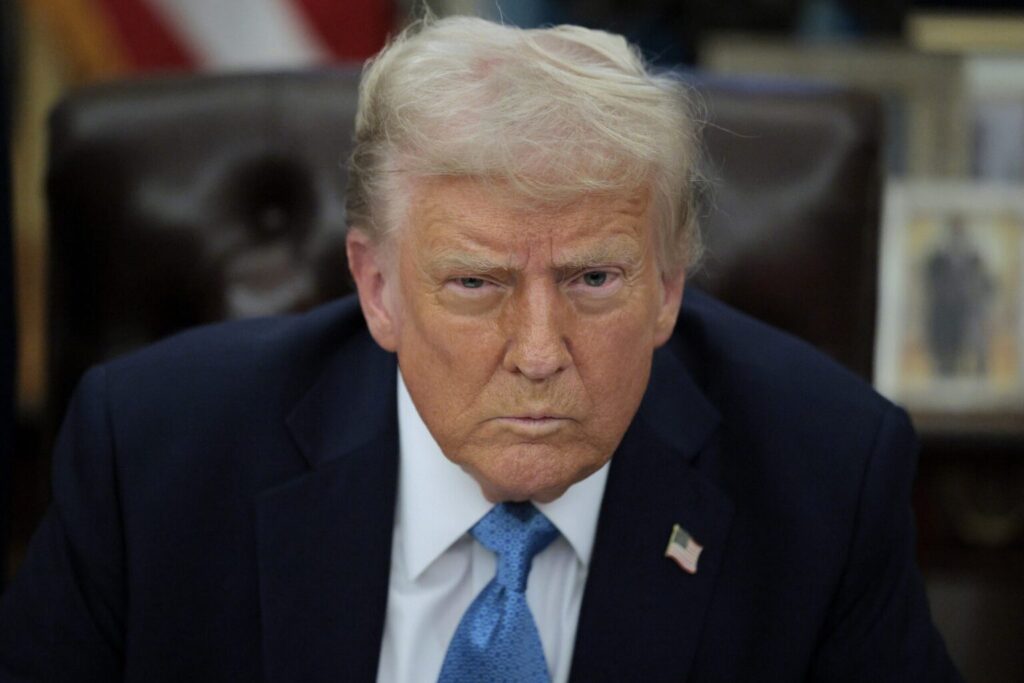
U.S. President Donald Trump talks to reporters after signing an executive order, “Unleashing prosperity through deregulation,” in the Oval Office on January 31, 2025 in Washington, DC. Trump spoke to reporters about tariffs against China, Canada and Mexico and how the newly confirmed Interior Secretary Doug Burghum will coordinate with the Energy Department and the Environmental Protection Agency. (Photo by Chip Somodevilla/Getty Images)
The latest wave of speculation followed his appearance at the World Economic Forum in Davos, where viewers noticed visible bruising on his hands. An early explanation attributed the marks to a minor incident involving a bird. Still, images circulating online reignited broader questions about his overall health.
The discussion escalated after remarks from Adam James, a licensed physical therapist with 14 years of experience, during an appearance on The David Pakman Show. James, who posts online under the name “Epistemic Crisis,” clarified that his comments were based strictly on public observation—not on any personal examination or access to medical records.
According to James, certain patterns in Trump’s physical presentation raised concerns. He pointed to what he described as an unusual gait, including a swinging leg motion and moments of apparent imbalance. In some cases, James noted, such signs can reflect weakness on one side of the body—something that may be associated with past stroke events or neurological impairment.
He also referenced episodes of slurred speech, confusion over details, and repetitive phrasing in public remarks. In his assessment, these behaviors could align with symptoms of cognitive decline. James speculated that the presentation resembles frontotemporal dementia, a progressive neurological disorder affecting behavior, language, and executive function. He explained that individuals diagnosed with the condition typically have a life expectancy of seven to twelve years, though progression varies widely.
Based on his interpretation of publicly available footage, James suggested—controversially—that if such a condition were present and progressing rapidly, Trump might have two to four years remaining. He emphasized that this was speculative and not a medical diagnosis. No official statement from Trump’s physicians or the White House has indicated any diagnosis of frontotemporal dementia or other neurological illness.
James further argued that certain instances of impulsive public remarks could reflect diminished frontal lobe regulation, which governs judgment and self-control. He added that advanced age, along with potential chronic health issues such as cardiovascular or kidney conditions, could compound risks even with access to high-level medical care.
Medical professionals routinely caution against diagnosing public figures without formal evaluation, imaging, and medical history. Trump has repeatedly maintained that he is in strong health, and no verified medical disclosure supports claims of serious cognitive or neurological disease.
Nevertheless, the remarks have intensified broader conversations about aging leadership, transparency, and how much weight the public should place on observable behavior when assessing the fitness of elected officials. Whether these concerns diminish or grow will likely depend on future disclosures—or continued silence.
For now, Trump continues to project confidence in his health, while critics and commentators closely analyze each public appearance for signs that might suggest otherwise.