From a small Bronx apartment to global superstardom, Chuck Negron’s life unfolded like a rock-and-roll epic — filled with extraordinary talent, dizzying success, devastating collapse, and a hard-earned redemption that few ever achieve.
That remarkable journey has now come to an end.
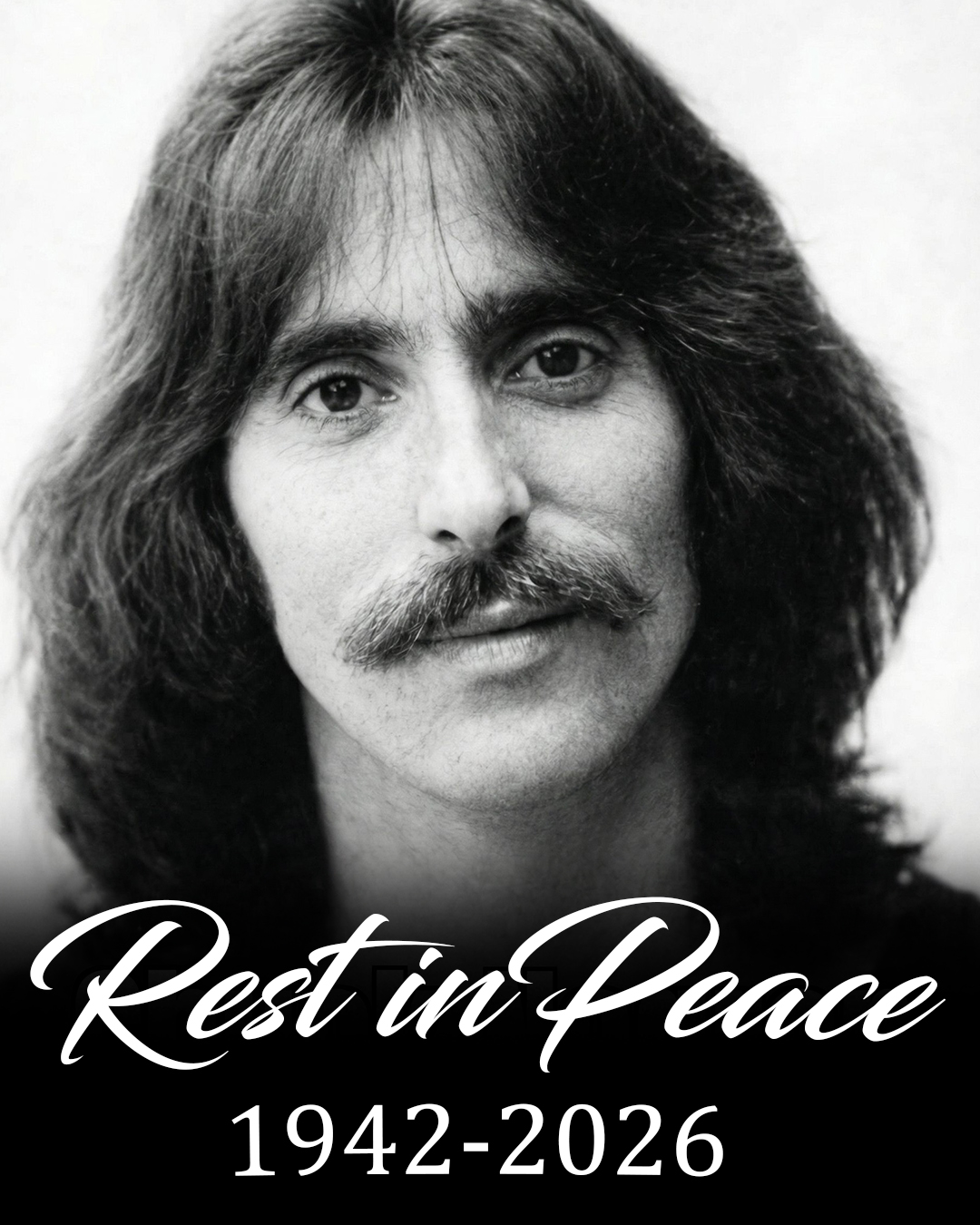
Chuck Negron, the unmistakable voice behind some of Three Dog Night’s most iconic and emotionally charged songs, died Monday, Feb. 2, at the age of 83. He passed away peacefully at his home in Studio City, California, surrounded by family, according to his publicist.
In his final months, Negron had been battling heart failure along with chronic obstructive pulmonary disease (COPD), illnesses that gradually weakened his once-powerful frame but never dimmed the legacy of his voice.
“Negron was a testament to never giving up — persevering through everything life throws at you, everything you may throw at yourself, and continuing to strive,” his publicist said in a statement.
A Bronx Beginning and a Voice That Couldn’t Be Ignored
Born on June 8, 1942, Chuck Negron was raised in the Bronx by his father, Charles Negron, a Puerto Rican nightclub performer, and his mother, Elizabeth Rooke. Music wasn’t just background noise in his home — it was part of his identity. From an early age, Negron soaked in rhythm, harmony, and soul from the streets around him.
As a teenager, he sang in neighborhood doo-wop groups while also excelling on the basketball court. By just 15 years old, his talent had already carried him into a recording studio and onto one of the most legendary stages in American music history: the Apollo Theater.
Performing with his vocal group, The Rondells, Negron experienced a moment that would stay with him forever. In a 2004 interview with the Rapid City Journal, he recalled the tension of being a white vocal group performing before a famously demanding audience.
“We were not just the only white group in the building,” he said. “But by our second verse, something magical happened. The audience started to cheer us on.”
It was an early lesson in the power of music to break barriers and unite people — a lesson that would define his career.
Three Dog Night and the Sound of an Era
Negron later moved to California on a basketball scholarship to California State University, but music quickly became his true calling. In Los Angeles, he joined forces with Danny Hutton and Cory Wells, forming Three Dog Night in 1967.
What followed was nothing short of explosive.
With bold harmonies and Negron’s soaring, gritty, emotionally raw vocals at the center, Three Dog Night dominated the charts. His voice carried timeless hits like “Joy to the World (Jeremiah Was a Bullfrog),” “One (Is the Loneliest Number),” “Old Fashioned Love Song,” “Easy to Be Hard,” “Mama Told Me (Not to Come),” and “The Show Must Go On.”
At their peak, the band expanded to include guitarist Michael Allsup and the late Jimmy Greenspoon, Joe Schermie, and Floyd Sneed. Together, they became one of the most successful bands of the late 1960s and early ’70s, selling millions of records and defining the sound of a generation.
Fame, Fallout, and a Dangerous Spiral
But success came with a brutal cost.
Behind the scenes, relentless touring, industry pressure, and heavy drug use began to fracture the band. Relationships deteriorated, tensions escalated, and despite their immense popularity, Three Dog Night eventually collapsed under the weight of addiction and internal conflict.
For Negron, the fall was personal and devastating. His struggles with substance abuse nearly destroyed his career — and his life. For years, he lived on the edge, coming dangerously close to losing everything he had worked for.
Sobriety, Redemption, and a Second Act
In 1991, Negron reached a turning point: he got sober.
That decision reshaped the rest of his life.
Clean and focused, he rebuilt himself piece by piece. Between 1995 and 2017, he released seven solo albums and returned to the stage, proving that his voice — and his will — were still powerful forces. In 1999, he told his story with brutal honesty in his bestselling memoir Three Dog Nightmare, chronicling fame, addiction, near-death experiences, and recovery without sugarcoating a single chapter.
Even as COPD gradually limited his physical strength, Negron continued performing well into his later years, stepping away from touring only when the COVID-19 pandemic made live shows unsafe.
Healing Old Wounds and Holding Family Close
Late in life, Negron also found closure. After decades of estrangement, he reconciled with former bandmate Danny Hutton last year — a reunion his publicist described as “a timely effort to exchange apologies and bury the hatchet.”
Through every rise and fall, family remained his anchor.
“Through his six decades of success, and all the ups and downs, his large, unconventional family was most important to him,” his publicist said.
Chuck Negron is survived by his wife, Ami Albea Negron, and his children: Shaunti Negron Levick, Berry Oakley, Charles Negron III, Charlotte Negron, and Annabelle Negron.
A Voice That Will Never Fade
Chuck Negron’s voice — soulful, raw, and achingly human — is forever etched into rock history. Long after the final note faded, it continues to echo through radios, memories, and generations of listeners who found truth, heartbreak, and hope in his songs.
He lived hard, fell deep, and rose again — and in doing so, left behind a legacy that will outlive us all.
Rest in peace, Chuck Negron.